About Us

Environmental Stewardship
in Infectious Diseases Practices
Who Are We?
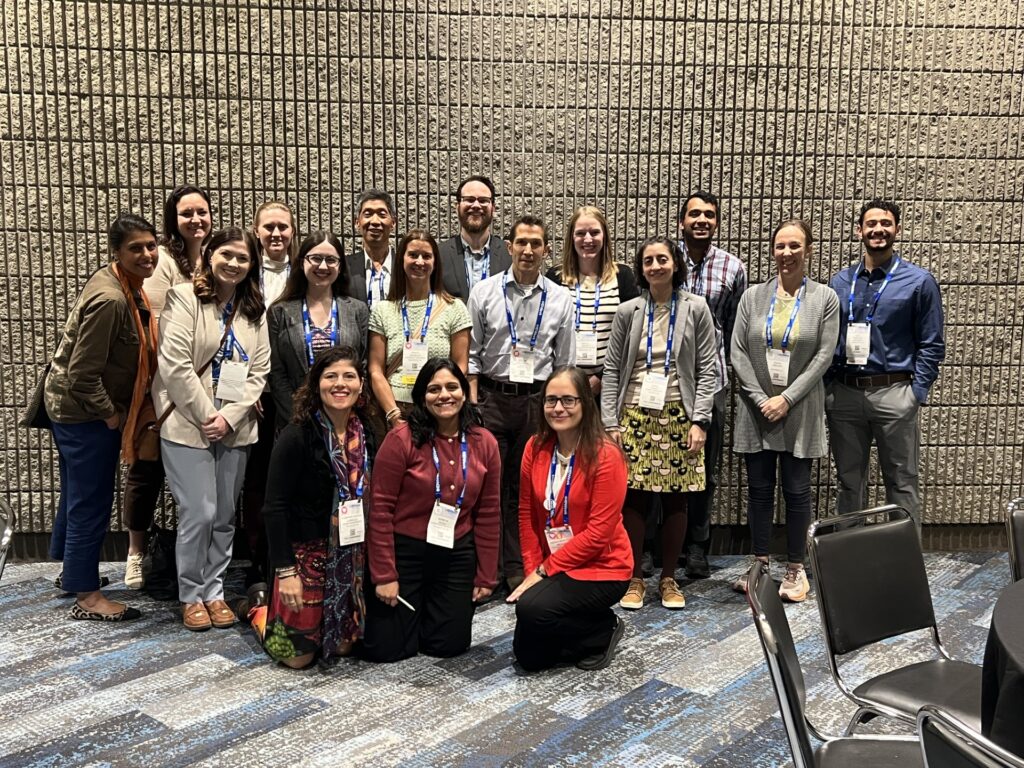
Sustainabil-ID (intentionally named to echo “sustainability”) is a collaborative community of infectious diseases professionals and allied healthcare partners dedicated to integrating environmental stewardship into infectious diseases clinical practice. Our mission is to optimize the diagnosis, management, and prevention of infectious diseases while minimizing the environmental harm of healthcare.
We are a voluntary, physician-led initiative open to all healthcare professionals who share an interest in the intersection of infectious diseases and sustainability. Through education, collaboration, and evidence-based research, we aim to align high-quality patient care with strategies that reduce waste and environmental harms.
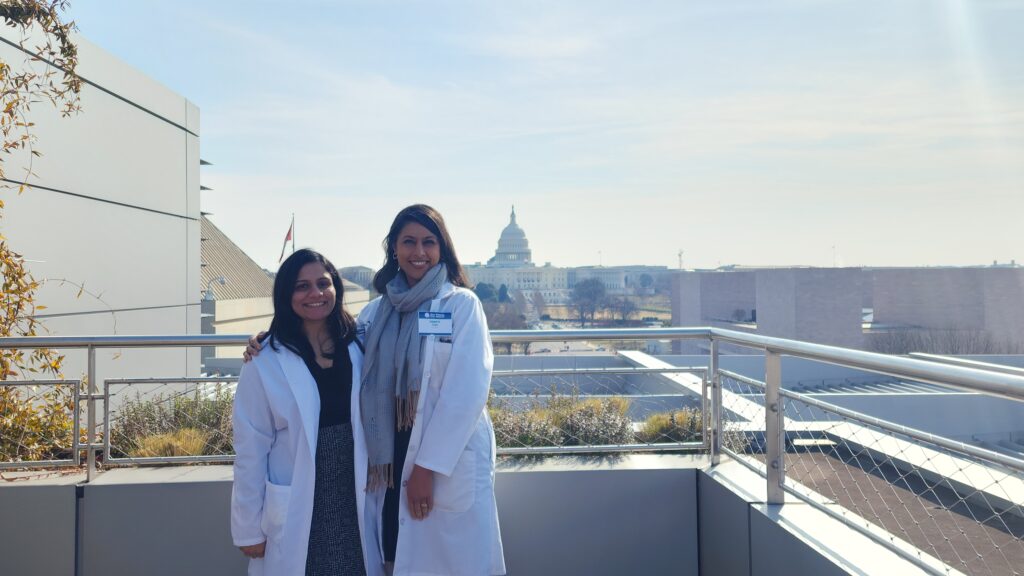
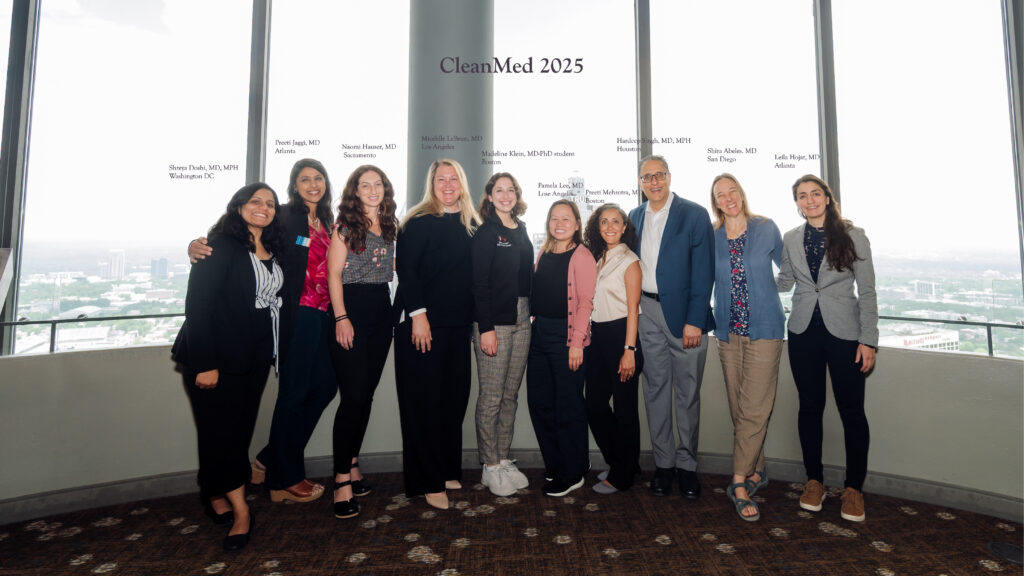
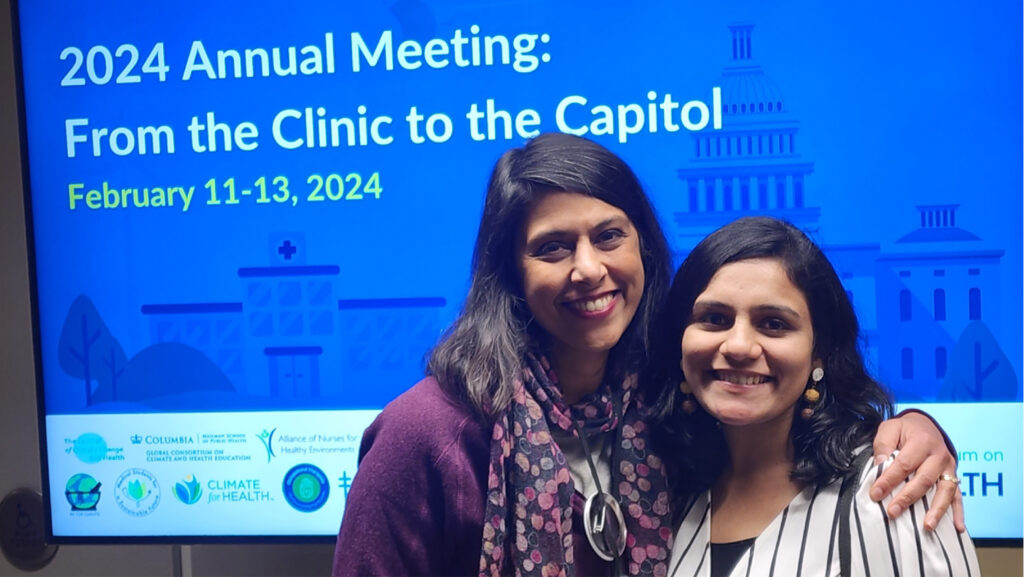
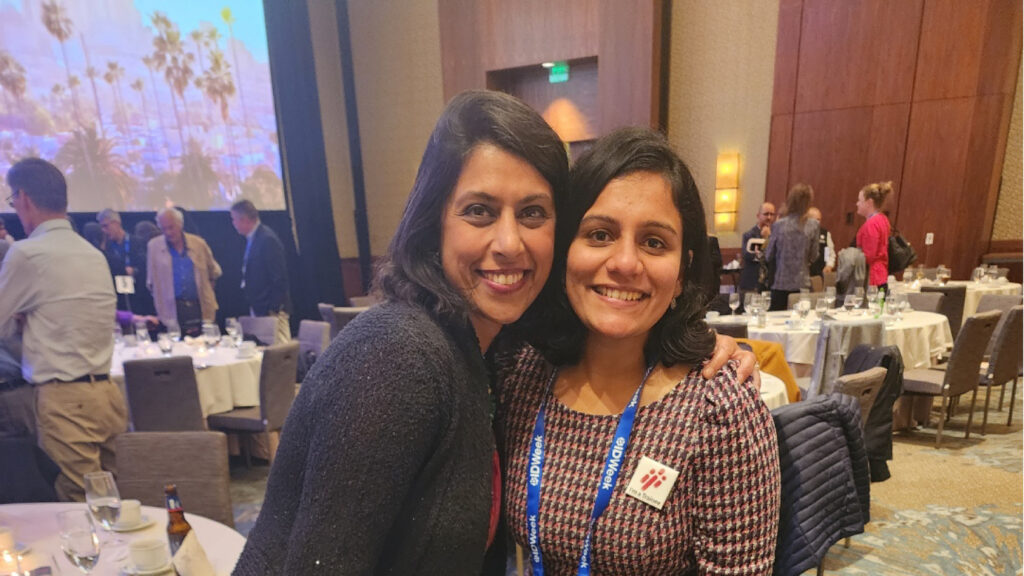
Sustainabil-ID was started by Preeti Jaggi, MD and Shreya Doshi, MD MPH. You can read more about them here.
About
Vision
Meet our Leaders
Guiding the Future of Climate-Conscious
Infectious Disease Practice

Mission
Engage and Educate
Empower infectious diseases professionals to integrate evidence-based practices for sustainable healthcare.
Support Innovation
Champion research and pilot projects that measurably reduce healthcare’s environmental impact without compromising patient care.
Foster Collaboration
Partner across medical specialties to reduce healthcare’s climate footprint and resource waste, building on our expertise in infection prevention and control and antimicrobial stewardship.
Advance Climate and Health Literacy
Develop and disseminate curricula on how climate change alters infectious disease patterns and on the environmental and public health risks of single-use plastics.
Advocate Responsibly
Collaborate with industry, regulators, and healthcare organizations to eliminate unnecessary waste while maintaining the highest standards of infection prevention and patient safety..
Values
Patient Safety First
We prioritize infection prevention and clinical outcomes while integrating sustainability into every practice.
Stewardship
We commit to the wise use of resources, whether antibiotics, energy, or materials, recognizing our responsibility to future generations.
Equity
We recognize that climate change and environmental degradation disproportionately affect vulnerable populations, and we strive for sustainable solutions that promote health equity.
ID Climate Champions
Why Do You Care?
As a pediatrician interested in preventing illness and improving children’s health, working to act on climate is of paramount importance. Also, it’s so fun to integrate sustainability into my work because it feeds my soul.
Preeti Jaggi, MD
Without sustainability practices which includes using antimicrobials appropriately and accounting for the waste that may come for excess use, our future generations will not have a planet that provides them the opportunities to grow, learn and thrive to achieve their maximal potential.
Jason Newland, MD
As a clinician who sees patients across the age of a spectrum, I know that healthy children make healthy adults. I’ve learned through this work that healthy patients make for a healthy planet – and in turn a healthy planet nourishes all of us.
Preeti Mehrotra, MD
I want to help people and ensure future generations can lead healthy lives, and this relies on a healthy planet. We've known for decades about how climate change and pollution lead to disease, and it's long overdue that we reform our industry to match our mission.
Shira Abeles, MD
As a physician I am drawn to this work to protect my patients, family, and friends, and to do my part to reduce the impact that we as healthcare workers have on the environment. As a nature lover I want to preserve our beautiful world and all the animals that inhabit it, in order to ensure a livable future for all generations of living things.
Michelle LeBrun, MD
I do work in healthcare sustainability because I work in a safety-net healthcare system, so I know that the patients most likely to be impacted by climate change & pollution are the ones I see every day.
Pamela Lee, MD
In my opinion, planetary health is the number one public health priority of our generation. As an ID physician, I'm deeply concerned about the impacts a warming planet is having on patients in terms of increasing their risk for antimicrobial resistance, fungal infections, and vector-borne illnesses. The good news is that we can make a difference by improving our wasteful practices in the hospital and making better choices at home and in our daily lives.
Priya Nori, MD
If climate change continues at its current pace, the next generation will face more severe natural disasters leading to public health crises. Increasing global temperatures will also expand the geographic range for many disease vectors. Therefore, as pediatric infectious diseases physicians, climate change is inextricably linked to our work. It is our duty to advocate for climate change solutions for our patients, our communities, and our world.
Kelsey Rowe, MD
As pediatric healthcare providers at Children’s Hospital Colorado, we are committed to protecting both the health of our patients and the resources upon which their future depends. Reducing waste from unused medications, unnecessary PPE, and wasteful practices is essential to delivering care that is both effective and sustainable. Responsible stewardship of healthcare resources ensures we can continue to provide high-quality care for generations to come.
Sarah Parker, MD
Christine MacBrayne, PharmD
We dedicate ourselves to saving human lives as physicians, but then the way we do it leads to excess waste and continued climate pressure on our precious planet. We need to rethink the way we deliver health care in our country and try to make sustainable choices for our patients and our planet.
Desiree LaBeaud, MD
As pediatric infectious diseases specialists and pharmacists, everything we do and everything we work for is to improve the health and future quality of life for children. How can we assume that the resources, antibiotics, even climate we share now will be available to our patients fifty years from now? Minimizing waste due to unnecessary testing and antibiotic use has to be central to our goal as healthcare providers.
Margaret Danner, MD, Diana Nguyen, DO, Debra Palazzi, MD, Brittany Rodriguez, PharmD, Beenish Rubbab, MD, Grant Stimes, PharmD
As a hospital epidemiologist, I play a crucial role balancing the sometimes-competing priorities of infection prevention and healthcare sustainability. Finding ways to keep children safe from infection while minimizing the impact on the environment is challenging but also rewarding and essential.
William Linam, MD
The effects of climate change are evident daily in the Intermountain West, and after over a decade in Antimicrobial Stewardship I needed a bigger and more motivating reason to keep pushing for judicious antibiotic and diagnostic use. Then I realized Antimicrobial Stewardship IS environmental stewardship. All of our goals align and we must make healthcare less impactful on the environment in order to preserve the health of our patients and families.
Emily Spivak, MD
One of the main reasons I am interested in environmental sustainability in infectious diseases in particular is because the way we use and dispose of antimicrobials today affects the health of our community and the planet for generations to come; it is our duty to help keep our water, soil, and ecosystem safe for the future generations.
Rana El Feghaly, MD
As a healthcare provider, a health environment translates into a healthy community. My patients benefit from clean air and water. I live my passion every day when treating patients, conserving resources, and prevent wasting.
Andrea Pallota, PharmD
A core tenet of medicine is to ‘do no harm.’ By integrating sustainability into healthcare provision, we extend this principle beyond the bedside — recognizing that healthcare-associated waste and emissions have long-term consequences for the very communities we aim to serve.
Karly Hampshire, MD
We need a healthy planet in order to protect the health of people and our communities. In Australia, climate change is already impacting communities through bushfires, heatwaves, extreme weather events and changing patterns of infectious diseases. As health professionals, we have a duty and responsibility to ensure that the medicine we practice for our patients today does not endanger our patients of the future.
Carrie Lee, MD
In Switzerland, we are seeing firsthand the effects of climate change. Yet many in medicine and research do not see how they can help solve the problem. They can! Reducing excess waste and climate pressure can and should be integrated into our daily activities around patients and research.
Angela Huttner, MD
As an antimicrobial stewardship pharmacist, I see sustainability and stewardship as deeply interconnected. Every decision around antibiotic use carries long-term consequences—not just for individual patients, but for our communities and the environment. Thoughtful prescribing helps prevent resistance, reduces pharmaceutical waste, and conserves the natural resources we all depend on. By promoting responsible antibiotic use, we not only protect the effectiveness of these vital medications but also contribute to a healthier, more sustainable future.
Esther Esadah MS. PharmD
We must urgently re-invent how we deliver healthcare and optimize the use of resources for the children, because the planet truly belongs to them. The social, financial, and environmental benefits of sustainable healthcare practices are immense and should compel every regulatory body and hospital leader to make healthcare sustainability a priority today.
Shreya Doshi MD, MPH
As a healthcare epidemiologist and infectious diseases physician, over the years, I have seen the changing trends in epidemiology of vector borne disease such as Lyme, Dengue and rise and spread of MDROs such as MRSA, CRE and C. auris in the USA. And I have seen the changes in climate, with global warming leading to natural disasters that further increase risk of infections. I am passionate about doing my part to decrease my personal carbon footprint. I am also learning how to decrease the GHG emissions of healthcare, while preventing risks of infection for people (patients, visitors and staff- healthcare personnel) in healthcare facilities.
Trini Mathew, MD, MPH
Antimicrobial Stewardship is at its core a critical balance of conserving antimicrobials without undertreating patients. We can leverage this balancing expertise we have and apply it to sustainability. We are equipped as infectious diseases physicians and antimicrobial stewards to treat and prevent infectious diseases while following sustainable practices. The two are not mutually exclusive.
Wassim Ballan, MD
Sustainability in healthcare is critical because the environmental impact of our practices directly affects human health. As healthcare epidemiologists, we have a responsibility to ensure that infection prevention and patient safety are advanced in ways to protect our community and planet for future generations.
Vidya Mony, DO
My passion for healthcare sustainability aligns with my work as an infectious diseases and antimicrobial stewardship pharmacist. Just as we aim to optimize antimicrobial use to limit the development of resistance and preserve the efficacy of antimicrobial therapy for future patients, a focus on sustainable clinical practices enables us to reduce greenhouse gas emissions and preserve a healthier environment/climate for future generations.
Karen Davidge, PharmD
As healthcare providers, we share the common passion of helping our patients, while doing no harm. Antibiotic and diagnostic stewardship illustrate how we can safely do less. Infectious diseases physicians and ID pharmacists can promote sustainability by advocating to reduce unnecessary diagnostic testing and antibiotic treatment. Similarly, infection prevention measures protect vulnerable children from harm, but more research is needed to identify sustainable infection prevention strategies. Our field can improve care for our patients, while reducing environmental waste to provide a brighter future for our children.
Aaron Milstone, MD
Sustainability and antimicrobial stewardship are fundamentally interconnected; both center on the responsible use of finite resources to maximize good and mitigate harm. As infectious diseases practitioners, we are uniquely positioned to lead efforts in healthcare sustainability, where excessive waste of resources has been shown to promote antimicrobial resistance, exacerbate drug shortages, and increase the cost of care. Through conscientious practices and strong partnerships, we can help safeguard the health of our children and future generations.
Alex Plattner, MD, MBA
As pediatric infectious diseases clinicians and antimicrobial stewards, we recognize that sustainability is inseparable from our mission to protect children’s health. Every unnecessary test or treatment not only exposes patients to potential harm, but also consumes finite resources and contributes to environmental waste. By prioritizing thoughtful, evidence-based care, we aim to safeguard both the effectiveness of life-saving therapies and the health of the planet our patients will inherit.
Katie Chiotos, MD, Jeff Gerber, MD, Talene Metjian, PharmD, Kimberly Pough, PharmD, Leah Rodriguez, PharmD, & Becca Same, MD
As pediatric infectious diseases clinicians and antimicrobial stewards, we recognize that sustainability is inseparable from our mission to protect children’s health. Every unnecessary test or treatment not only exposes patients to potential harm, but also consumes finite resources and contributes to environmental waste. By prioritizing thoughtful, evidence-based care, we aim to safeguard both the effectiveness of life-saving therapies and the health of the planet our patients will inherit.
Katie Chiotos, MD, Jeff Gerber, MD, Talene Metjian, PharmD, Kimberly Pough, PharmD, Leah Rodriguez, PharmD, & Becca Same, MD
Our Partners